

Making a Home Insurance Claim

How to Make a Home Insurance Claim after Property Damage

Experiencing a stressful situation at home that requires you to file a home insurance claim can be overwhelming. However, we're here to assist and provide guidance throughout the process. Our team at PDLA strives to ensure that making a claim on your insurance policy is a seamless experience that leaves you feeling reassured. 
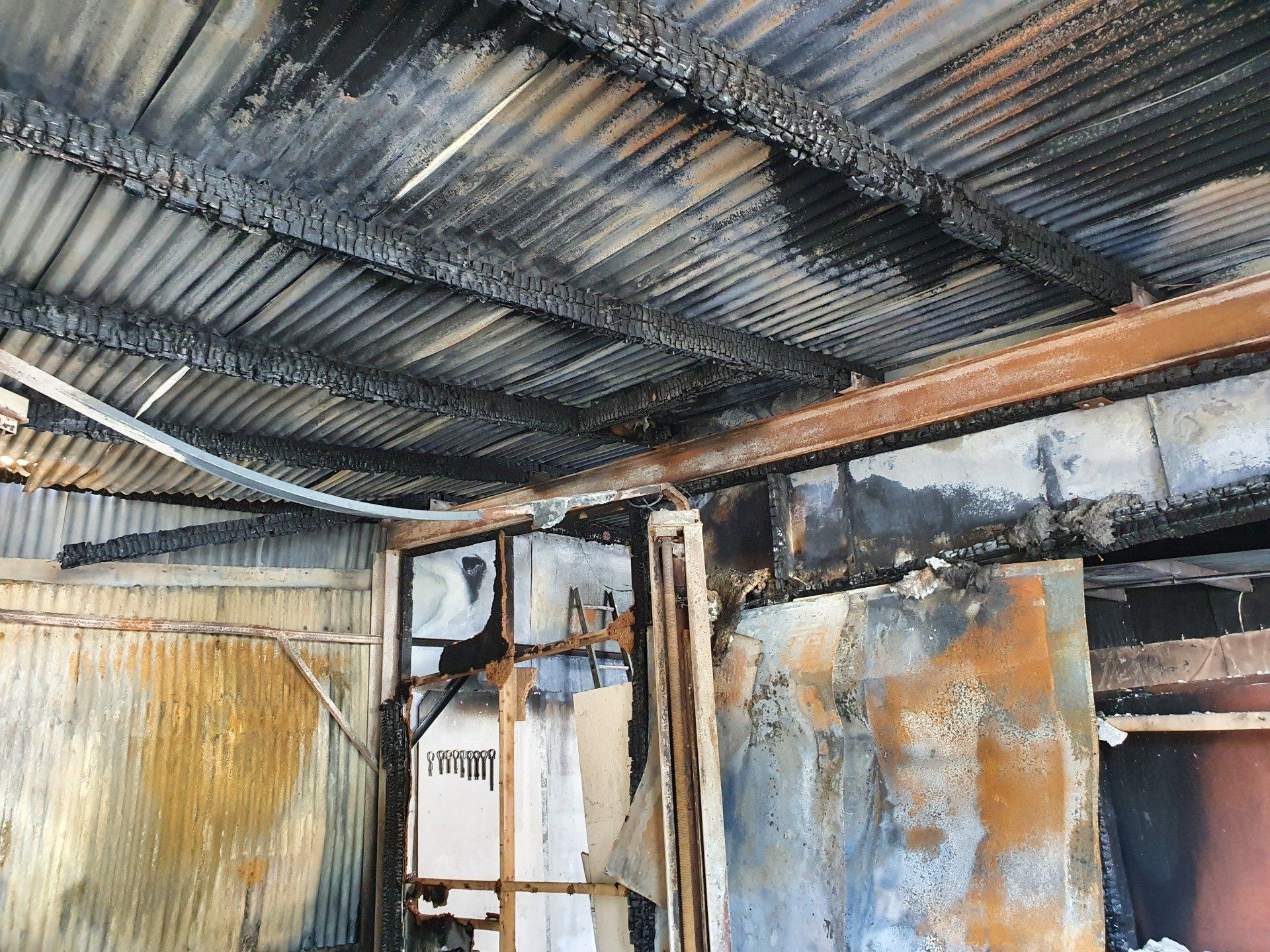

An accident can make your home unsafe and very costly to repair 

What to do when making a Home Insurance Claim

The first step in a home insurance claim is to contact your insurance agent, insurance company or independent broker as soon as you realise there has been damage to the property. You must do this promptly to ensure the claim process is completed efficiently, and you should also be sure to follow your insurer's guidelines for reporting and filing your claim. 

It is important to note how serious the damage is before you make a claim. It's not always necessary to file a claim if the damage is minor and repairs will cost less than your policy's deductible.


If the damage is more serious, you should make a claim as soon as possible to help ensure the repairs are done quickly and professionally. This will also speed up the recovery process and make it easier to get back to normal life, allowing you to focus on restoring your home.


Gather your essentials!

  1. Before you begin your claim, gather and document any items that have been damaged or stolen. The more accurate you can be about the value of your belongings, the faster and more accurately your insurance adjuster can estimate the amount of compensation you're entitled to receive. Our qualified assessor can create an accurate list of costs to ensure that you don’t leave out any repair essentials.
  2. Once you've compiled this information, go room to room and take lots of pictures or video of the damage. These can then be used as evidence when the insurance adjuster inspects your home and tries to determine how much it will cost to repair.
  3. You'll want to compile a list of your possessions, listing their description and when and where you purchased them. It's also a good idea to keep this information on file for future reference.
  4. Next, you should prepare a list of the expenses that were incurred during the period between the time of the loss and the time you made the claim. Save all receipts, including those related to temporary housing or materials that were used for emergency repairs.
  5. Next is the meeting with an adjuster from the insurance company. Our assessors can meet and negotiate the levels of damage if required. 


As a rule, your insurance company will assign an adjuster to your claim. This person is your point of contact throughout the claims process, so it is best for them to understand the severity of the damage and get an appropriate estimate of damage caused. This is a crucial part of the insurance claims process because it will allow you to be reimbursed for the actual cash value, i.e. replacement cost minus depreciation, of your possessions. These estimates or building contractor quotes will help you compare costs and ensure that your insurer is offering the fairest compensation.


To initiate a claim on your home insurance policy, you can reach out to our 24/7 helpline at  087 2061411 for a no obligation discussion about your claim.

Navigating Storm Damage Claims on Your Irish Property

By Rachel Bradley January 8, 2026
New Title
By Alastair roe December 18, 2025
As we enter the height of the Christmas season, the joy of festivities brings with it a unique set of risks to our homes. At Property Damage Loss Assessors , we see a significant rise in insurance claims during December—many of which could be avoided with increased awareness and caution. To ensure your holiday remains stress-free, we have highlighted the key hazards that require your utmost attention this year. Fire Safety: Awareness in the Heart of the Home The combination of dry decorations and increased heat sources makes fire safety a primary concern. High levels of vigilance are required in the following areas: Chimney Fires: With fireplaces working overtime, ensure your chimney has been professionally swept. A buildup of soot or bird nests can lead to devastating chimney fires that spread quickly to the rest of the structure. Candles: Never leave lit candles unattended or near flammable materials like curtains or Christmas trees. Always extinguish them before leaving a room or going to bed. Christmas Lights: Check old decorative lights for frayed wires or loose connections. Avoid overloading sockets and always turn off all festive lighting when you leave the house or sleep. Cigarettes: If hosting guests, ensure that smoking materials are disposed of safely in deep ashtrays. Embers in a wastepaper bin are a common cause of late-night house fires. Security Awareness: Preventing Seasonal Burglaries Unfortunately, the holiday season is also a peak time for opportunistic crime. To protect your home from burglaries , keep gifts and high-value items out of sight from windows. Ensure all doors and windows are securely locked, and if you are heading out for a festive event, consider using timer switches on lamps to give the impression that the home is occupied. Escape of Water: Protecting an Empty Property If you are planning to travel to visit family this Christmas, water damage is a major risk that can occur in your absence. A small leak from a frozen or burst pipe can cause catastrophic damage if left running for several days. To prevent catastrophic water damage during a cold snap, remain vigilant against frozen pipes . If you are leaving your property over Christmas, ensure your heating is set to a "frost protection" mode and turn off the water at the mains stopcock to prevent an undetected escape of water . Taking a moment to correctly drain your system can save you from the stress of a major flood and a complex insurance claim. By staying aware of these hazards, you can protect your property and your peace of mind. However, should the unexpected happen, Property Damage Loss Assessors are here to help you navigate your insurance claim and secure the settlement you need to get back on track. Ultimately, Christmas is a time for celebration and making memories with loved ones. By staying mindful of these common hazards and taking small, proactive steps to secure your property, you can ensure your holiday remains joyful and uninterrupted. From all of us at Property Damage Loss Assessors , we wish you a very safe, happy, and hazard-free Christmas season.
By Alastair roe December 4, 2025
Most Irish homeowners only read their insurance policy when something goes wrong. Unfortunately, this usually means they discover key exclusions and conditions at the worst possible moment. Understanding the details of your home insurance policy in advance can prevent disputes and ensure that you know what to expect when filing a claim. Commonly Misunderstood Policy Terms 1. Gradual Damage Exclusions Irish home insurance policies rarely cover issues that develop slowly over time. This includes long-term roof leaks, slow plumbing leaks, dampness, mould, and rot. Insurers frequently reject these claims because they consider them maintenance issues rather than sudden events. 2. Maintenance Requirements Most policies require homeowners to keep the property in good condition. If damage is linked to neglect, insurers may reduce or decline the claim. Examples include worn flashing, loose tiles, deteriorated pipes, or blocked gutters. 3. Confusion About Trace and Access Many homeowners assume their insurer will pay to locate the source of a leak. Some policies include this benefit, but others offer limited cover or none at all. Understanding whether trace and access is included is important, as identifying the source of a leak can be more expensive than repairing it. Why Claims Get Declined  1. Insufficient evidence Lack of photos, videos, or proof of sudden damage can lead to disputes with insurers. 2. Repairs performed too early Fixing damage before reporting the claim removes crucial evidence and can weaken your case. 3. Misinterpreting what the policy covers For example, roof damage is not automatically considered storm damage. Insurers often require proof of strong winds in the area and evidence that the damage occurred during the storm. How to Prepare Before Filing a Claim 1. Review your policy regularly A yearly review can help you stay informed about your coverage and any changes the insurer may have made. 2. Know the difference between sudden damage and gradual deterioration Sudden damage is typically covered, while gradual deterioration is generally excluded. 3. Keep maintenance records Photos, invoices, and receipts can protect you if the insurer questions the condition of the property before the incident. 4. Document damage immediately High-quality evidence is essential when dealing with insurance companies. Understanding your policy before you file a claim can save time, stress, and unnecessary costs. When you know what is covered and what is excluded, you are better prepared to take action after an incident. If you want help interpreting your policy or handling a claim, Property Damage Loss Assessors can provide professional support from start to finish. Call James today to discuss the damage to your property and get expert guidance for your situation.