

The Simple Guide to Managing Chimney Fire Damage Insurance Claims

The Simple Guide to Managing Chimney Fire Damage Insurance Claims


The Hidden and Visible Impact of Chimney Fires

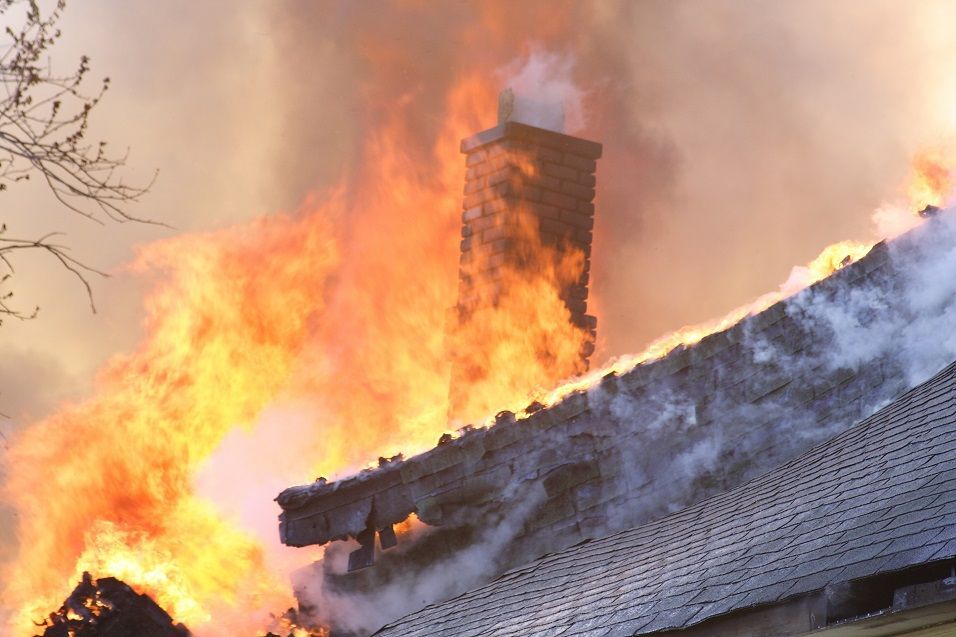
Chimney fires can wreak havoc in ways that are both obvious and hidden. Visible damage might include charred interiors, soot-covered belongings, and structural damage to the chimney itself. However, the less visible effects—such as compromised structural integrity of the home, lingering smoke odors, and potential water damage from firefighting efforts—can also be significant. Understanding the full spectrum of potential damage is crucial in ensuring a comprehensive insurance claim.


After a Chimney Fire: Immediate Steps and Long-term Recovery

If a chimney fire occurs, immediate action and proper follow-up are essential:

1. Immediate Response: If you suspect a chimney fire, evacuate the property and call emergency services. Do not attempt to extinguish the fire yourself.

2. Professional Inspection and Repair: Before using your chimney again, have it inspected by a professional to assess any damage and perform necessary repairs.

3. Document the Damage: Take photos and make a list of damages for your insurance claim, keeping in mind both immediate and potential future impacts.
Expert Assistance from PDLA: Navigating Your Insurance Claim

PDLA's team of experienced loss assessors takes a holistic approach to managing your chimney fire damage claim. Our services include:

- Detailed Assessments: Conducting thorough evaluations to uncover both immediate and latent damages.

- Policy Analysis: Reviewing your insurance policy in detail to understand coverage limits and exclusions, ensuring no aspect of your claim is overlooked.

- Claim Management: Handling all aspects of the claim process, from documentation to negotiation with insurance companies, to secure a fair and timely settlement.

- Support and Guidance: Offering expert advice and support throughout the process, allowing you to focus on recovery and restoration.

Comprehensive Prevention and Safety Measures Going Forward

Preventing chimney fires is key to safeguarding your home and family. Regular maintenance and safe usage practices can dramatically reduce the risk of a fire outbreak:

- Annual Chimney Inspection and Cleaning: Hiring a certified chimney sweep to inspect and clean your chimney at least once a year can prevent creosote accumulation and identify potential hazards.

- Burning the Right Materials: Use only dry, seasoned wood. Avoid burning wet wood, which can lead to excessive creosote buildup, or prohibited materials like cardboard, which can emit harmful chemicals.

- Ensuring Proper Ventilation: Keeping the damper open during use ensures proper airflow and reduces the risk of creosote buildup.

- Chimney Caps and Guards: Installing a chimney cap can prevent debris, animals, and rain from entering the chimney, reducing blockage risks.

Why Partner with PDLA for Your Chimney Fire Claim

Partnering with PDLA means leveraging our expertise and resources to navigate the complex insurance claims process effectively. Our commitment to your recovery goes beyond securing financial compensation; we strive to provide peace of mind and a path to restoration, allowing you to focus on what's most important.

Getting Started with PDLA

If you're facing the aftermath of a chimney fire, it's crucial to act swiftly and strategically. Contacting PDLA for a no-obligation consultation can be your first step towards a comprehensive recovery plan. Our team is ready to assess your situation, provide expert guidance, and manage your insurance claim from start to finish.

For more detailed information on how we can assist you or to start the process, contact us today. Let PDLA be your ally in navigating the challenges of a chimney fire damage claim, ensuring you receive the maximum compensation and support needed to rebuild and move forward.


Navigating Storm Damage Claims on Your Irish Property

By Alastair roe December 4, 2025
Most Irish homeowners only read their insurance policy when something goes wrong. Unfortunately, this usually means they discover key exclusions and conditions at the worst possible moment. Understanding the details of your home insurance policy in advance can prevent disputes and ensure that you know what to expect when filing a claim. Commonly Misunderstood Policy Terms 1. Gradual Damage Exclusions Irish home insurance policies rarely cover issues that develop slowly over time. This includes long-term roof leaks, slow plumbing leaks, dampness, mould, and rot. Insurers frequently reject these claims because they consider them maintenance issues rather than sudden events. 2. Maintenance Requirements Most policies require homeowners to keep the property in good condition. If damage is linked to neglect, insurers may reduce or decline the claim. Examples include worn flashing, loose tiles, deteriorated pipes, or blocked gutters. 3. Confusion About Trace and Access Many homeowners assume their insurer will pay to locate the source of a leak. Some policies include this benefit, but others offer limited cover or none at all. Understanding whether trace and access is included is important, as identifying the source of a leak can be more expensive than repairing it. Why Claims Get Declined  1. Insufficient evidence Lack of photos, videos, or proof of sudden damage can lead to disputes with insurers. 2. Repairs performed too early Fixing damage before reporting the claim removes crucial evidence and can weaken your case. 3. Misinterpreting what the policy covers For example, roof damage is not automatically considered storm damage. Insurers often require proof of strong winds in the area and evidence that the damage occurred during the storm. How to Prepare Before Filing a Claim 1. Review your policy regularly A yearly review can help you stay informed about your coverage and any changes the insurer may have made. 2. Know the difference between sudden damage and gradual deterioration Sudden damage is typically covered, while gradual deterioration is generally excluded. 3. Keep maintenance records Photos, invoices, and receipts can protect you if the insurer questions the condition of the property before the incident. 4. Document damage immediately High-quality evidence is essential when dealing with insurance companies. Understanding your policy before you file a claim can save time, stress, and unnecessary costs. When you know what is covered and what is excluded, you are better prepared to take action after an incident. If you want help interpreting your policy or handling a claim, Property Damage Loss Assessors can provide professional support from start to finish. Call James today to discuss the damage to your property and get expert guidance for your situation.
By Alastair roe December 4, 2025
Storms and high winds are becoming increasingly common across Ireland, especially during the winter months. These events often lead to property damage that ranges from minor roof issues to major structural problems. Understanding how storm damage occurs and how to respond correctly is essential for any homeowner. Making the right decisions early on can prevent unnecessary repair costs and improve the outcome of an insurance claim. Common Types of Storm Damage in Ireland 1. Roof Damage The roof is one of the most vulnerable parts of a home during strong winds. Tiles can become loose or fall off entirely, leaving gaps that allow rainwater to enter the property. Even a single missing tile can cause significant internal water damage. 2. Damage from Falling Trees or Branches During storms, heavy branches or entire trees can fall onto roofs, sheds, cars, or fences. Even if the tree comes from a neighbour’s garden, the affected homeowner typically files the claim. 3. Chimney and Masonry Problems High winds often affect older brickwork. Chimney pots, flues, and masonry can shift or crack, which may lead to structural concerns or water ingress. 4. Water Penetration from Wind-Driven Rain Strong winds push rainwater into places where it would not normally reach, such as under flashings, through vents, or into roof edges. This can cause stained ceilings, damp walls, mould growth, and damaged plaster. What To Do After a Storm 1. Assess the damage safely The first priority is safety. Avoid climbing onto the roof. Instead, inspect the property from the ground or use a phone camera with zoom. 2. Document the condition of the property Take detailed photos and videos of missing tiles, broken gutters, fallen branches, cracks, and interior water damage. High-quality documentation helps strengthen an insurance claim. 3. Make temporary protective measures Cover open areas with tarps or strong plastic sheets to prevent more rain from entering the home. Insurers expect you to limit additional damage, but they also expect you to avoid permanent repairs until the inspection is completed. 4. Notify the insurer quickly Reporting storm damage promptly is important. Delays can lead insurers to argue that the damage might be due to poor maintenance instead of the storm.  Frequent Causes of Claim Reductions Insurers sometimes reduce or decline storm-related claims for reasons such as poor maintenance, insufficient evidence, or pre-existing damage. For example, if gutters were already blocked or roof tiles were already loose, insurers may argue that the damage was not caused solely by the storm. Storm and wind damage may be unavoidable, but losing out on a valid insurance claim does not have to be. Proper documentation, prompt reporting, and expert support can help you secure a fair outcome. If you need assistance with a storm damage claim or want a professional assessment, Property Damage Loss Assessors can help you navigate the process. Call James today to discuss your storm damage and get reliable guidance for your claim.
By Alastair roe December 4, 2025
When property damage occurs, most homeowners instinctively begin cleaning up the mess or repairing what has been broken. This reaction is completely understandable, especially when the situation feels stressful or overwhelming. However, starting repairs or removing damaged items too soon can seriously weaken an insurance claim. Timing plays a crucial role, and understanding what to do in the first 24 hours can make a major difference in the outcome of a claim. Insurance companies rely heavily on clear visual evidence to assess a claim. Loss adjusters need to understand exactly what happened, how severe the damage is, and whether the policy covers the issue. If the property has already been cleaned or fixed by the time the claim is reported, insurers may question the extent or even the cause of the damage. This is why the first step after any incident should always be to document the situation before any repairs take place. Why Timing Matters The moment you discover damage, the clock essentially starts ticking. Insurers often require evidence that shows the original condition of the property. If you remove flooring, throw out damaged furniture, repair a pipe, or clean up water before taking proper photos and videos, valuable evidence disappears. For example, if a pipe bursts and causes water damage, cleaning up the water and repairing the pipe before reporting the issue can lead insurers to question how serious the incident really was. The same is true for roof leaks, storm damage, structural issues, oil leaks, and electrical faults. Irish insurers are known for carefully evaluating whether damage was sudden or whether it could have been gradual. Without proper evidence, it becomes harder to prove your case. What To Do in the First 24 Hours 1. Document thoroughly Take photos and videos of everything. Include wide shots of the affected area, close-ups of specific damage, and footage showing the cause of the issue. Make sure the lighting is good and that you capture multiple angles. 2. Prevent further damage Insurers expect you to take reasonable steps to stop the situation from getting worse. Examples include turning off the mains water supply, isolating electricity in a flooded area, or placing a temporary cover over a broken window. These actions help, as long as you do not make permanent repairs. 3. Avoid removing damaged items Do not throw away wet carpets, broken tiles, burnt items, or damaged appliances. Even if they appear ruined, they serve as evidence. 4. Report the claim early Most policies in Ireland require homeowners to notify the insurer within a reasonable timeframe. Reporting within one or two days is ideal, and it reduces the risk of disputes. Common Mistakes to Avoid  Homeowners frequently make the mistake of trying to tidy up before taking photos. Another common issue is assuming insurers will take their word for the extent of the damage. Insurers rely on evidence, not verbal descriptions, so documentation is essential. The best way to protect the success of an insurance claim is to act quickly, document everything, and avoid repairs until the necessary evidence has been captured. Cleaning and rebuilding can always take place later. If you want expert help with documenting your loss or dealing with your insurer, Property Damage Loss Assessors can guide you through the full process. Call James today to discuss the damage to your property and get professional advice before moving forward.