
What to Do Immediately After Water Damage in Your Property
New Title
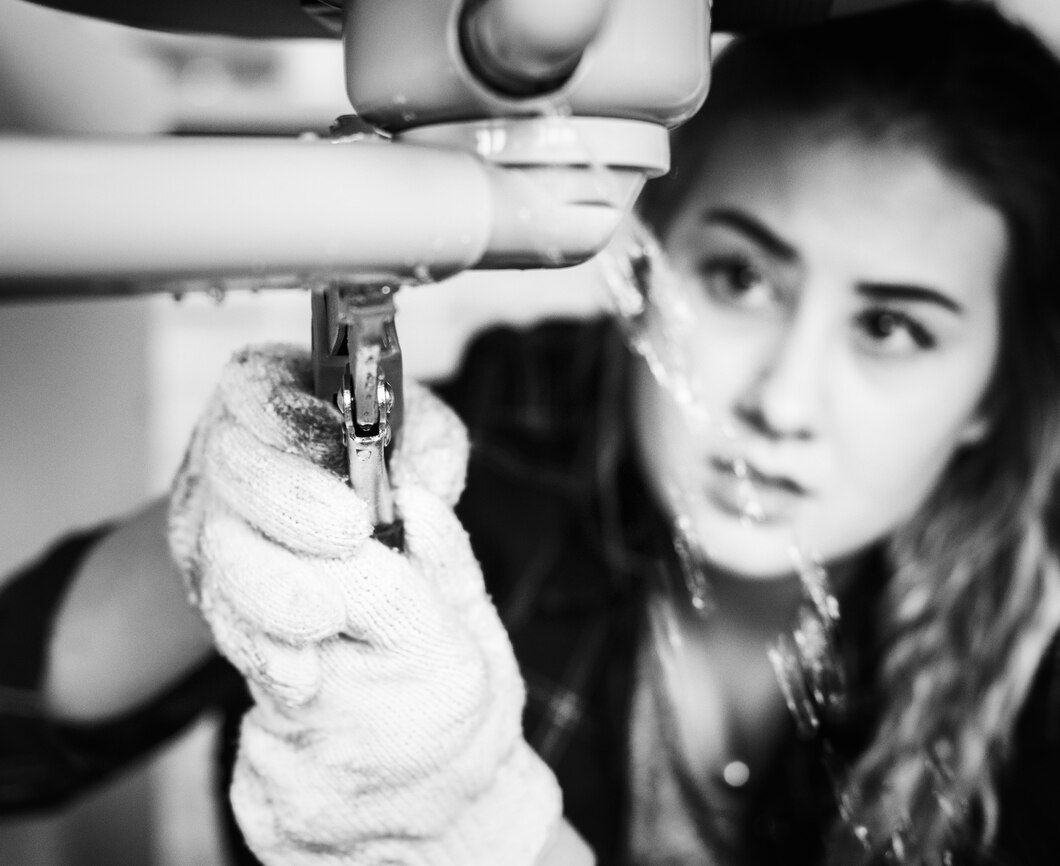
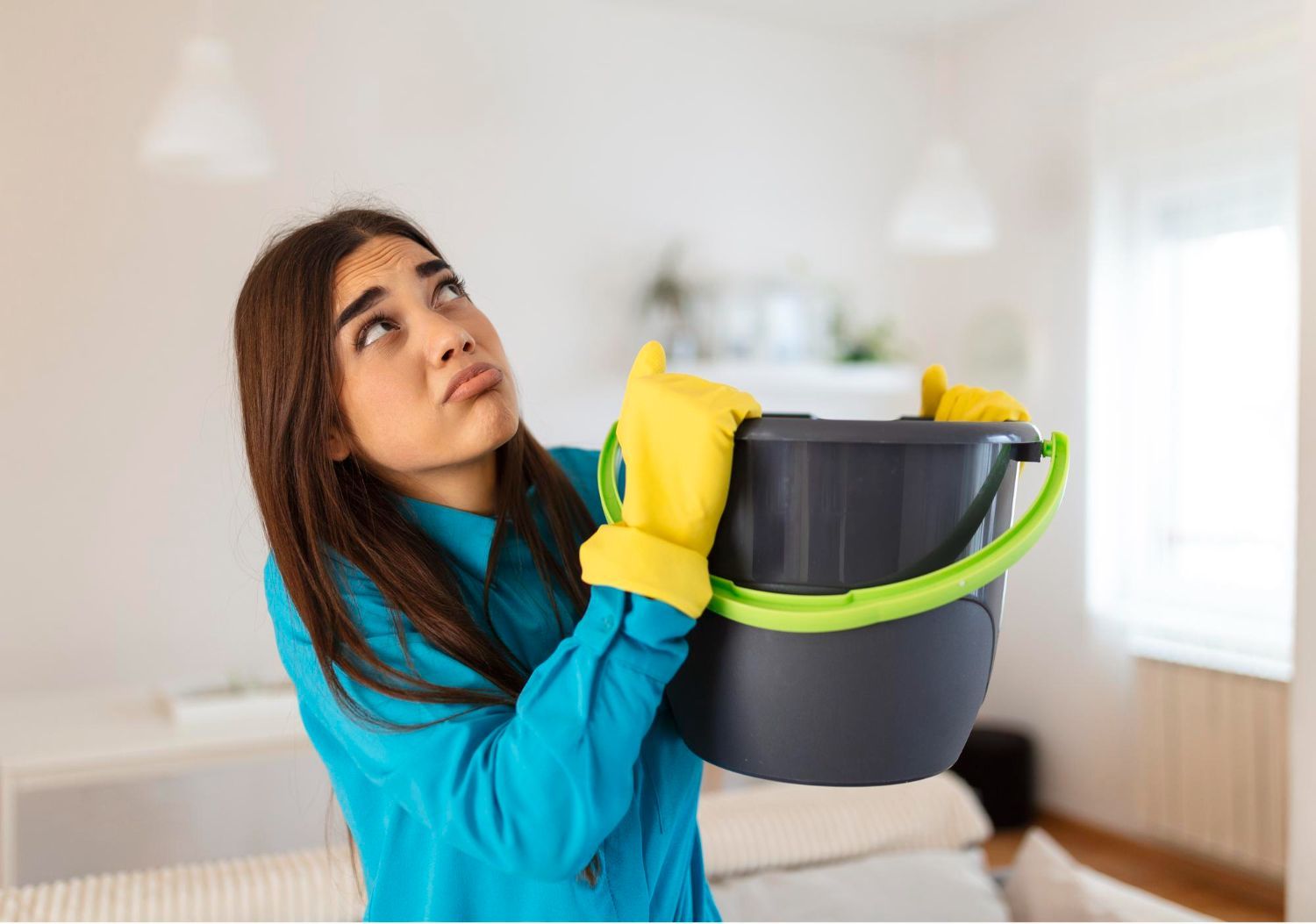
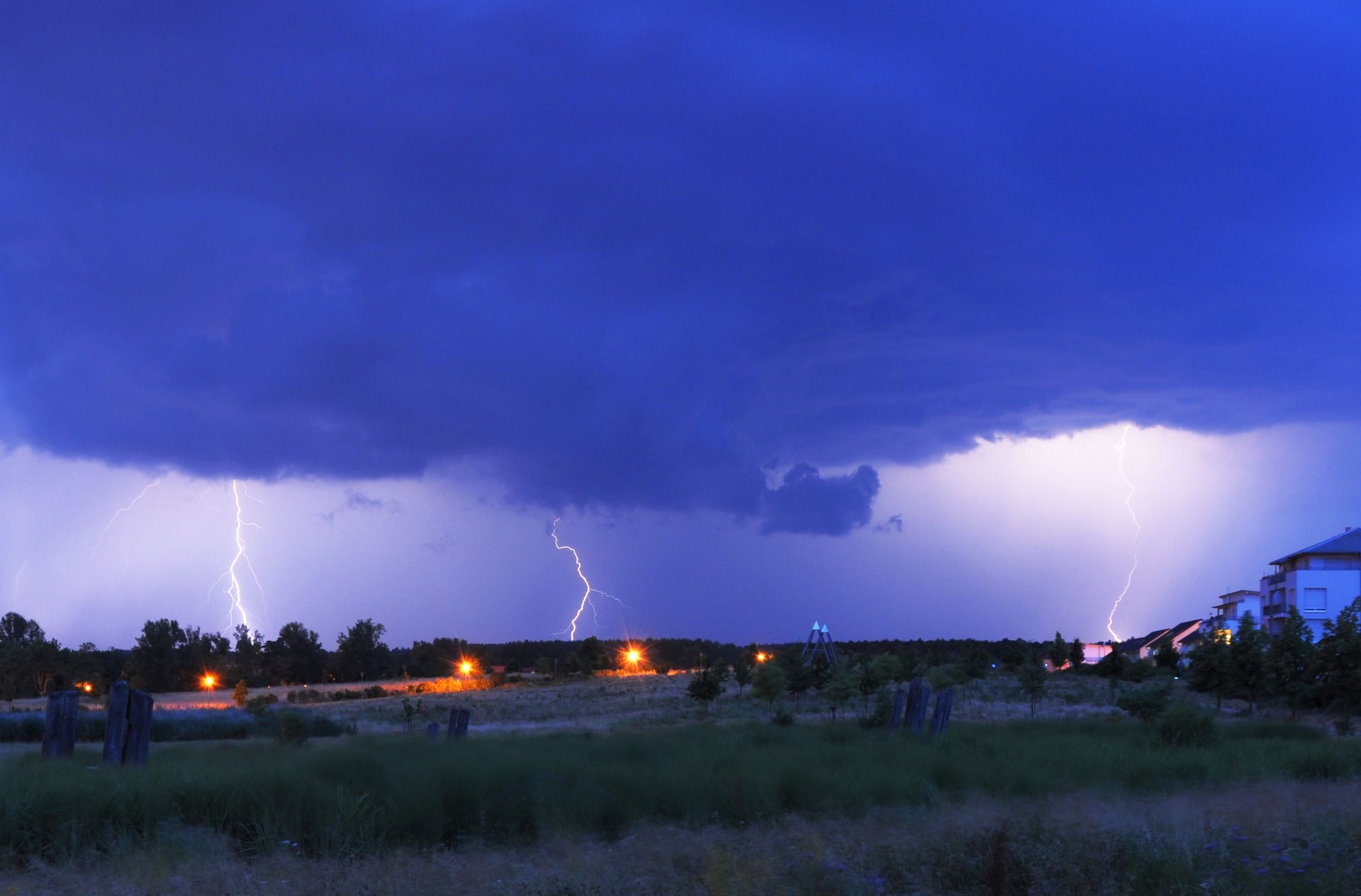
Water damage can happen when you least expect it a burst pipe, leaking appliance, storm damage or roof failure. In those first few hours, the actions you take can significantly affect both the extent of the damage and the outcome of your insurance claim.
Below is a clear, practical guide on what to do immediately after water damage occurs, and how to protect your property and your claim.
1. Make Safety Your First Priority
Before anything else, ensure the property is safe to enter.
- If water is near electrical sockets or appliances, switch off the electricity at the mains.
- Avoid standing water where electricity may still be live.
- If ceilings are bulging or walls appear unstable, keep clear and seek professional advice.
Your safety always comes first.
2. Stop the Source of the Water
If possible, identify and stop the cause of the leak:
- Turn off the main water supply if a pipe has burst.
- If an appliance is leaking, disconnect it safely.
- In cases of storm damage, temporary measures (such as covering a roof opening) may be necessary.
Insurers expect homeowners to take reasonable steps to prevent further damage, so acting quickly is essential.
3. Document Everything Before Cleaning or Repairs
This is one of the most important steps and one that is often overlooked.
- Take clear photos and videos of all affected areas.
- Capture both the cause of the damage and the resulting damage.
- Photograph damaged contents, flooring, walls, ceilings, and any visible water staining.
Avoid throwing anything away until it has been documented and reviewed.
4. Do Not Start Permanent Repairs Too Soon
While it’s natural to want to fix the problem immediately, starting permanent repairs without proper assessment can harm your claim.
- Emergency mitigation (drying, isolating leaks) is usually acceptable.
- Permanent repairs should wait until the damage has been assessed and agreed.
A loss assessor can advise you on what is safe to do without risking your settlement.
5. Contact a Loss Assessor Early
Many policyholders contact their insurer straight away but speaking to a loss assessor first can make a significant difference.
A loss assessor:
- Represents your interests, not the insurer’s
- Identifies visible and hidden damage
- Prepares and manages the claim on your behalf
- Helps ensure the claim is accurate, complete and fairly valued
Early involvement often leads to a smoother and stronger claim process.
6. Notify Your Insurer (With the Right Support)
Once the damage has been documented and professionally assessed, the claim can be formally notified.
Having a loss assessor involved ensures:
- The correct cause of loss is identified
- All relevant damage is included
- Policy wording is correctly applied
This reduces delays, disputes, and under-settlement.
7. Common Mistakes to Avoid
After water damage, avoid these common errors:
- Cleaning or repairing before documenting
- Disposing of damaged items too early
- Assuming damage is “minor”
- Accepting early settlement offers without full assessment
What looks small at first can often develop into much larger issues.
Water damage is stressful, but taking the right steps early can protect both your property and your financial position. Acting quickly, documenting thoroughly, and getting professional support can make all the difference.
If you’re unsure what to do after water damage, getting expert advice early is always the safest option.
Navigating Storm Damage Claims on Your Irish Property